Tire care
How to check tire tread before a Canadian drive
Wet highways and mountain roads punish worn tires. Here is a five-minute check you can do on the drive, and the point at which a repair is no longer the right call.
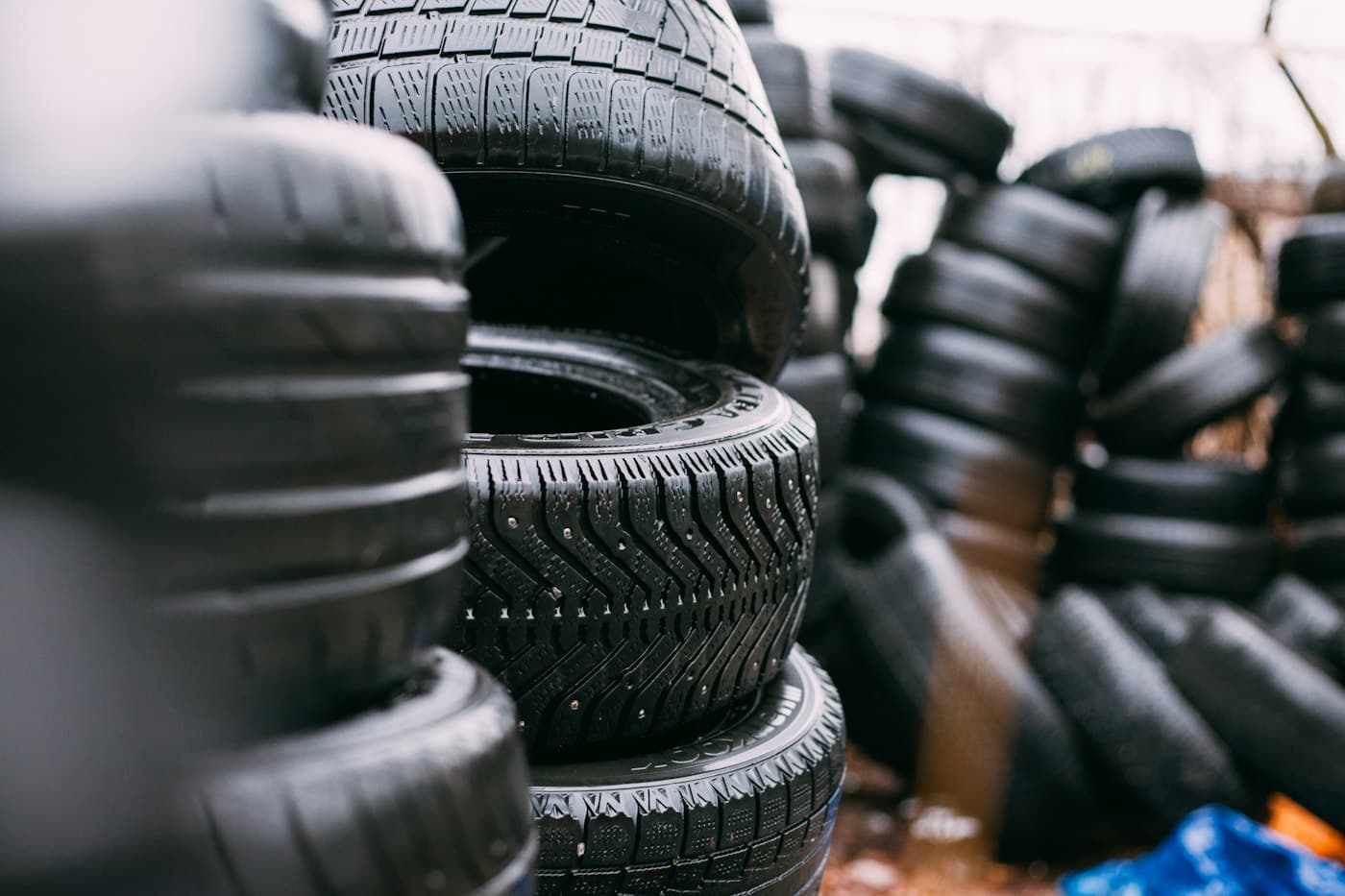
The legal minimum across Canada is 1.6 mm of tread across the central three-quarters of the tire. That is the minimum, not a target. On a wet Deerfoot or a mountain road out of Calgary, a tire at 2 mm already has far less grip than one at 3 mm. We suggest booking tire replacement once the tread is approaching 3 mm, especially before winter.
The quarter test is only a hint
Insert a Canadian quarter into the tread groove. If the top of the caribou is covered, you still have usable tread. If you can see the top of the caribou, the tyre is close to worn out. Check several grooves, not just the one that looks deepest, and check both shoulders. A tyre can be legal in the middle and illegal on the edge.
Look at the sidewall before you look at the tread
- Bulges or bubbles mean the structure has failed. Do not drive on it.
- Cuts that show cord are a replacement, not a puncture repair.
- Cracking from age matters even when the tread looks deep. Tyres older than about ten years are due off the car, including the spare.
- The date code is a four-digit number on the sidewall. 2522 means week 25 of 2022.
Pressures, then the warning light
Set pressures cold, to the figures on the driver’s door pillar, not the maximum written on the sidewall. A TPMS light after a cold night is often just pressure. If the light stays on once the pressures are correct, the sensor or the valve needs a look.
If you are already below the limit, or the car pulls to one side, book a visit or call us. We cover Calgary, Airdrie, Cochrane, Okotoks, Chestermere, Bearspaw and DeWinton, and we bring the tire with us.